The Tradition Was Never Frozen in Time
Tradition can change and remain authentic. Learn how to distinguish meaningful adaptation from a break in continuity, and understand who gets to decide.
The most common mistake about tradition is to treat any visible change as evidence that the practice has become less authentic. That assumption can turn living customs into performances for an imagined past, and leave people who sustain them feeling that ordinary adaptation needs an apology. Tradition can change while its connections to memory, community and shared meaning continue.
What makes a tradition authentic?
A tradition is authentic not because every detail has stayed identical, but because people recognise and sustain a meaningful connection through it. That connection might be to ancestors, a place, a religious commitment, a shared history or a way of caring for others. The exact combination differs from one community and practice to another.
Continuity is the thread that links versions across time. It may lie in a purpose, a relationship, a sequence of actions or the meaning participants attach to an occasion, rather than in unchanged materials or appearance. A custom can therefore look different and still be recognised by its practitioners as belonging to the same tradition.
Authenticity is not a single certificate issued from outside. Participants may disagree about what matters most, and that disagreement can itself reflect a tradition’s continuing importance. An outsider’s preference for an older-looking version does not, on its own, make that version more authentic.
Can a tradition change and continue?
Yes. Adaptation and continuity can coexist when people alter a practice while maintaining, renewing or thoughtfully debating its connections to inherited meaning. The change might respond to new materials, migration, access, religious interpretation, family circumstances or the wishes of younger participants.
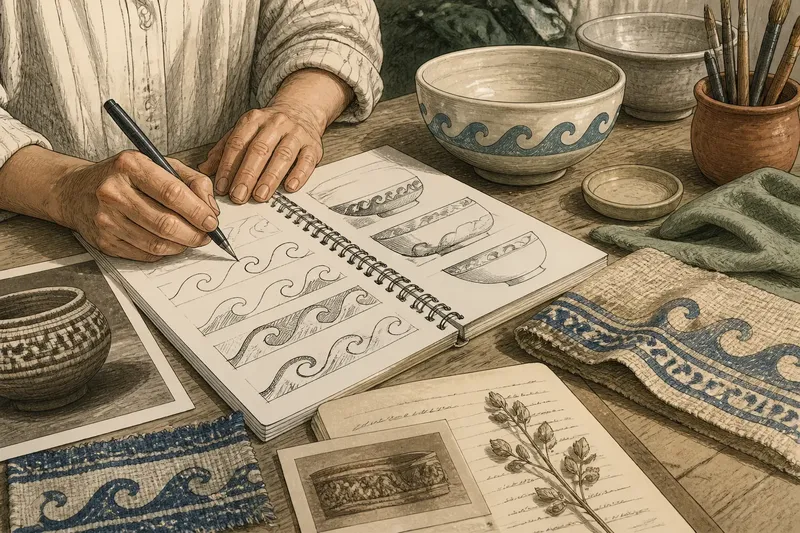
Think of a family recipe written in a notebook whose pages have been repaired over time. A cook might substitute an ingredient that is unavailable, yet still prepare the dish for a particular gathering and pass on the story attached to it. The substitution changes the recipe’s details; the occasion, relationship and act of transmission may preserve its continuity.
That comparison has limits: a family dish is not the same as a ceremonial practice or a tradition shared across a community. It helps show why a list of unchanged features cannot settle every question. People need to explain what they have changed, what they intend to carry forward and how others connected to the practice understand that choice.
What kinds of change matter?
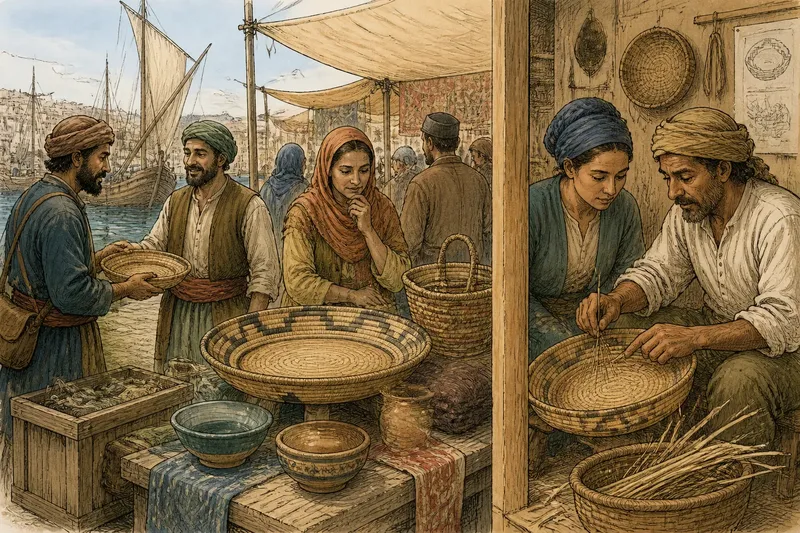
Some changes are practical. People may use different tools or materials because earlier ones are unavailable, costly to maintain or unsuitable for a new setting. A performance may move indoors, or a gathering may take a form that more participants can attend. Such adjustments can preserve participation rather than signal indifference.
Other changes concern interpretation. A community may reconsider who is invited to take part, what a symbol means, or which parts of an inherited practice should be taught. The visible form may remain close to an older version while its meaning shifts; conversely, a changed form may carry a continuing purpose. Appearance alone cannot tell the whole story.
Changes can also alter power. A custom reshaped by people who have been excluded may express a claim to belong, not a retreat from tradition. On the other hand, an outside institution or commercial organiser may repackage a practice to suit visitors while practitioners lose control over how it is presented. Both are adaptations, but their consequences and authority differ.
Who decides what continues?
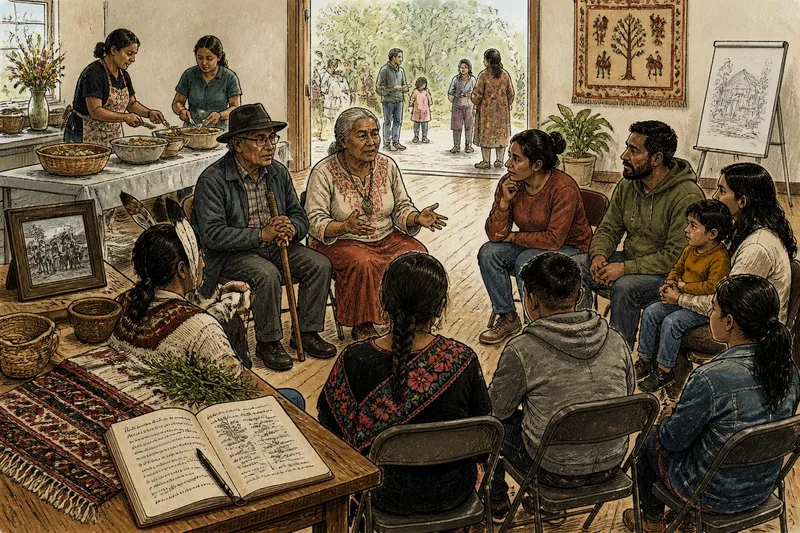
There is no universal rule for who may speak for a tradition. Depending on the practice, authority may be held by elders, families, religious leaders, craftspeople, local organisations, or people who perform particular roles. Some customs are openly shared; others involve responsibilities or knowledge that are not public. The people most closely connected to a practice deserve serious attention, while internal differences should not be flattened into a single official voice.
When opinions differ, useful questions include: Who carries the practice out? Who teaches it? Who will bear the consequences of a change? Are those affected able to object or propose alternatives? These questions do not automatically produce agreement, but they make power and responsibility easier to see.
Imagine a neighbourhood group deciding whether to move a customary seasonal gathering into a community hall. Older members might value its outdoor setting, while families with mobility needs say the new venue would let them attend. If the group discusses both the setting’s meaning and access, then tries a gathering in the hall while retaining the customary welcome and shared meal, the decision has a concrete basis for further conversation. It is not proof that everyone will agree; it is a way of weighing continuity alongside participants’ needs.
Does a new version erase the old?
Not necessarily. Older forms may continue alongside newer ones, perhaps in different families, places or occasions. A community can preserve a particular version for teaching or ceremony while adapting another for everyday use. A changed practice does not automatically make every earlier form obsolete.
Still, change can involve real loss. A language may fade from a song; a specialist craft may become difficult to learn; a gathering may stop welcoming people who once took part. Calling every alteration healthy adaptation can hide these losses. Calling every alteration decline can obscure the reasons people make changes.
It helps to name what is being retained and what is at risk. If a specific skill matters, people may choose to teach it. If a place is central to a practice, they may record how participants describe that relationship or find a way to keep returning to it. These choices do not freeze the tradition; they make particular forms of knowledge and connection more visible.
How can outsiders describe a changing tradition?
Begin with the people who practise it, and be precise about whose view you are reporting. Avoid presenting one family, organisation or performer as the voice of an entire community unless that authority is clear. When participants disagree, say so in plain terms rather than resolving the dispute on their behalf.
Describe both the observable change and the meaning people give it. Instead of saying a custom has remained unchanged, explain that participants still gather for a certain purpose but now use different materials, or that a new form was introduced to include people who could not attend before. Specific description gives readers more than the vague label “traditional”.
Also distinguish adaptation by practitioners from outside reuse. An object, motif or ceremony may circulate beyond its original setting, but popularity elsewhere does not establish permission or shared ownership. If the account involves restricted knowledge, contested representation or a community’s stated limits, those boundaries matter more than a stranger’s desire for a complete display.
Questions about continuity?
How much can change before a tradition becomes something else?
There is no universal threshold. Ask which relationships, purposes and practices participants say connect the current form to earlier ones, and whether they still recognise that connection. Some changes lead people to name a new tradition; others become part of an existing one.
Does authenticity require the oldest known version?
No. An older form may be important, but age alone cannot show how people understand or use it. A current form can be authentic to those who practise it, even if it differs from an earlier record.
Can reviving a tradition be authentic?
It can be, when people with a meaningful connection take responsibility for bringing a practice back and make clear what they are drawing on. A revival may rely on memories, surviving objects or incomplete records, so its limits should be acknowledged rather than filled with invented certainty.
What if members of a community disagree?
Describe the disagreement without pretending that a single spokesperson settles it. Explain which people hold which views, what is at stake for them and how decisions are being made, while respecting any boundaries around what can be shared.
What should a reader look for?
When you encounter a tradition described as ancient, unchanged or newly revived, look for the people and choices behind that description. Ask what has continued, what has altered and whose account of authenticity is being presented. A careful answer may include uncertainty rather than a neat verdict.
The useful question is not simply whether a tradition has changed, but what its changes do to the relationships that keep it meaningful. In that distinction, the phrase “tradition was never frozen in time” becomes more than a defence of novelty: it invites attention to who carries a practice, how they adapt it and what they hope to pass on.